




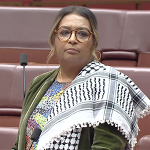
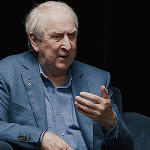

The online meeting between Reza Shah II and Australia’s shadow government can be viewed as part of the growing dialogue between the Iranian-Australian community and political representatives in Australia regarding the future of Iran.
The meeting took place in a context in which, over the past several years, a significant number of Iranians living in Australia have clearly expressed their opposition to the Islamic Republic and its policies through rallies, demonstrations, and civic activities. For many members of the Iranian-Australian community, maintaining a clear distinction between the Iranian people and the governing structure in Iran is of fundamental importance. They emphasise that the voice of Iranians living abroad should not be portrayed as the voice of the occupying Islamic regime in Iran.
In recent years, the name of Reza Shah II has also been prominently present at many gatherings of Iranians abroad, with protesters supporting him as the leader of the national movement and a central figure in the political opposition to the Islamic Republic. Iranian diaspora communities have repeatedly pointed out in the media that the final form of government in Iran must ultimately be determined through a democratic process based on the free vote of the Iranian people.
The central message of this political movement is the establishment of a free and democratic process through which the people of Iran can determine the future of their country. Reza Shah II has repeatedly stated in his public positions that the Iranian people have the right to determine the form of their government through a free vote. Therefore, the central issue should not be the imposition of any particular political system, but rather creating the conditions in which the people of Iran can determine their country’s future without repression, threats, or interference by the current government.
From the perspective of Australian diplomacy, these developments are of particular significance. Australia has a large and active Iranian community that, over recent years, has called for greater attention from the Australian government to the political and human rights situation in Iran. Engaging with representatives of different sections of the Iranian community can help Australian policymakers gain a more accurate understanding of the concerns and aspirations of this community.
Under these circumstances, the role of democratic governments can be defined in terms of supporting the rights of the Iranian people, maintaining diplomatic pressure on the Islamic Republic, supporting Iranian civil society, and helping create the conditions for a peaceful and democratic transition, rather than determining the political outcome for Iran.
Some recent public statements by Kylie Moore-Gilbert have, in my opinion, caused concern and disappointment among parts of the Iranian-Australian community.
Many Iranian-Australians believe that assessments of Iran’s political future should take greater account of the voices, experiences, and aspirations of Iranians themselves, particularly those who have been actively involved in peaceful opposition to the Islamic Republic over the past several years.

For a community that has repeatedly emphasised its distinction from the Islamic Republic and openly expressed support for a democratic future for Iran, statements that may diminish or overlook the significance of the political movement surrounding Reza Shah II, the leader of Iran’s national movement, can be deeply discouraging.
Iranians want the international community, particularly democratic countries, to hear their voices and to make a clear distinction between the Iranian people and the Islamic Republic. The future of Iran must be determined by the Iranian people.
From this perspective, the meeting between Reza Shah II and Australia’s shadow government represents more than simply a political meeting. It can also be seen as a sign of the growing importance of the Iranian issue in Australia’s political discussions and of the need to hear directly from the Iranian community.
The message from Iranians to Australian policymakers is clear: We seek a free, secular and democratic Iran with normal relations with the international community, and we expect democratic countries to recognise the right of the Iranian people to determine their own political destiny.
By Leila Naseri: Author | Composer | Social Cultural Analyst
The post Reza Shah II and Australia’s shadow government appeared first on The Spectator Australia.